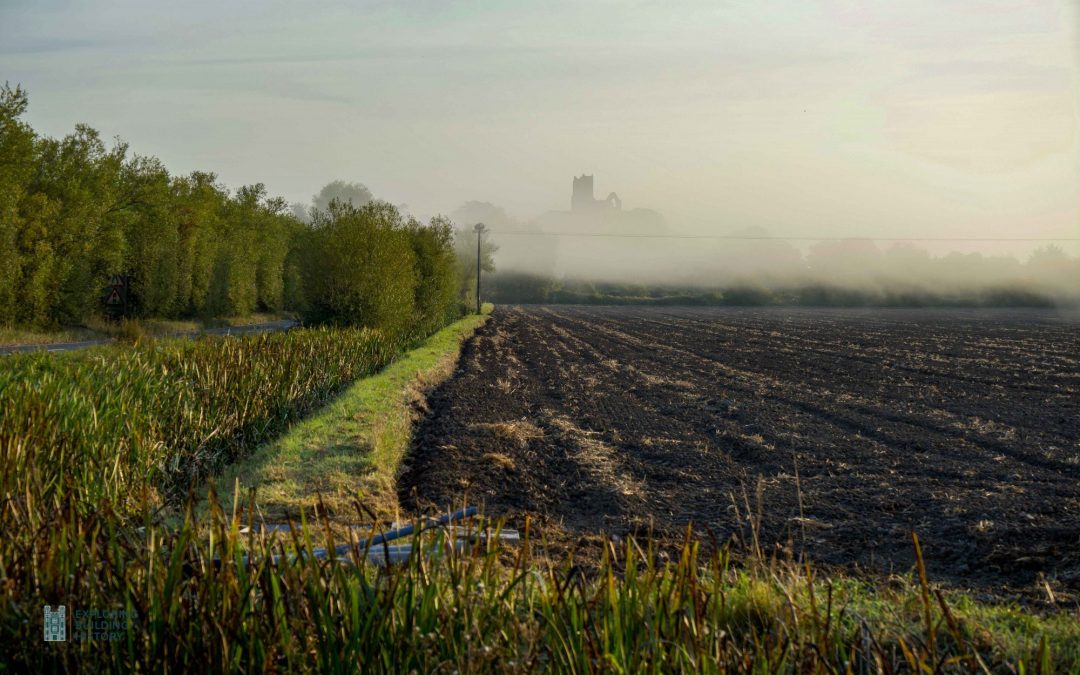
Figure 1: Looking east from the land below Athelney towards Burrow Mump on a misty morning. Whilst the land is reclaimed and cultivated nowadays, it was a patchwork of marshes, reeds and flood water. Low islands stood above the wetlands, only accessible by punts and...
Figure 1: Low-lying mist looking across the Somerset Levels from Aller Church at dawn In this post and the next one I want to concentrate on an area in the Somerset Levels that was a key turning point in the history of Wessex and England. This first post is to provide...
Figure 1: Longford Castle Entrance Facade (1591). On a summer visit to Longord Castle in Wiltshire my eye was caught by some ornamental details that reminded me of Montacute House in Somerset. Whilst a completely different building to Montacute, I found myself...
Figure 1: Ruins of the north wall of west range at Dunkeswell Abbey, East Devon. Church of 1842 behind. Nestling in a valley of the Blackdown Hills, on the banks of the River Madford, are the enigmatic remains of Dunkeswell Abbey. Only fragments are left of the abbey...
Longford Castle lies to the south-east of Salisbury, close to the banks of the River Avon. Its origins are Elizabethan (completed circa 1591), when it was known as Longford House. It was restored, remodelled and extended in the 18th and 19th centuries. In this post I...
Figure 1: Montacute House, Somerset. Balusters forming part of a balustrade on the roofline (circa late 16th C). Montacute House was a complete new build and elegant balusters were part of the design. The Tudor Renaissance Baluster The baluster became an architectural...