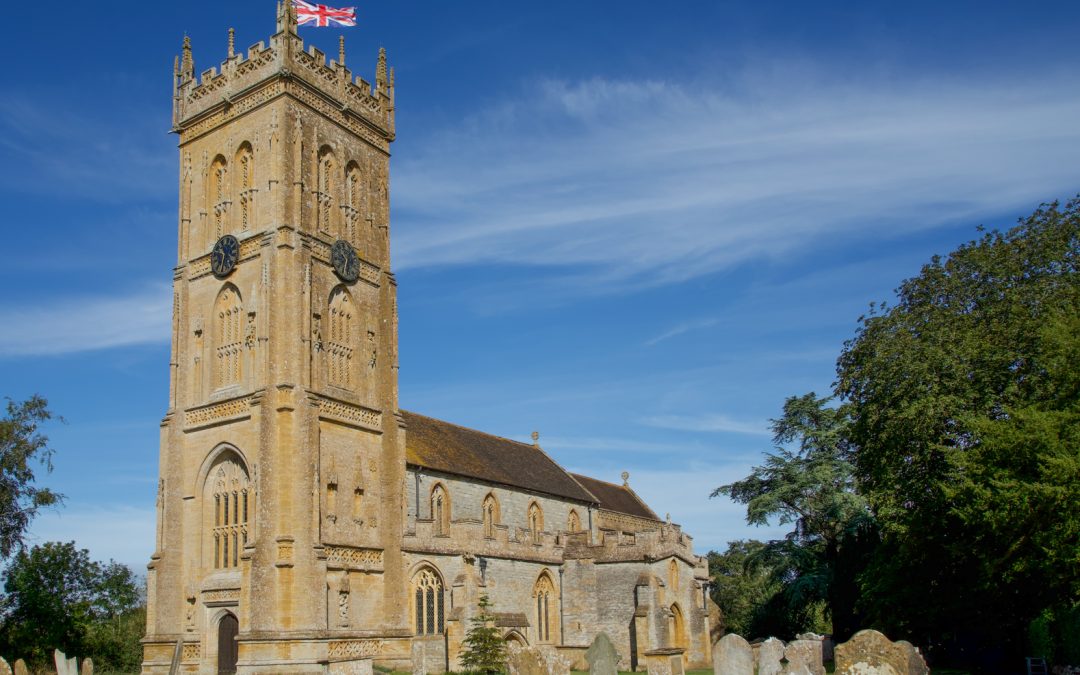
Parish churches in Somerset appear to get an overhaul during the Perpendicular period from c. 1360 to c.1540. This coincided with the rise of wealth in the county. The woollen cloth trade produced a new class of aspirational and wealthy families. Although my evidence...
It is useful, I find, when examining civic architecture and the architecture of the English country house to remember the classical arch, of which there are key examples in Rome. The triumphal arch and the triumphal column were testament to the dominance of...
When studying the columns of Trajan (113 AD) and Marcus Aurelius (c. 190 AD), I cannot help thinking of them as the inspiration for the Bayeux Tapestry. Although, there is no record to my knowledge of Bishop Odo visiting Rome. The spiralling upwards bas relief reads...
The term ‘Caernarfon lintel or arch’ comes from the use at Edward I’s Caernarfon Castle of the frequent use of passage doorways with shouldered lintels sitting on convex corbels. Edward’s castle at Caernarfon was started in 1283. These doorways also at exist at Wells...
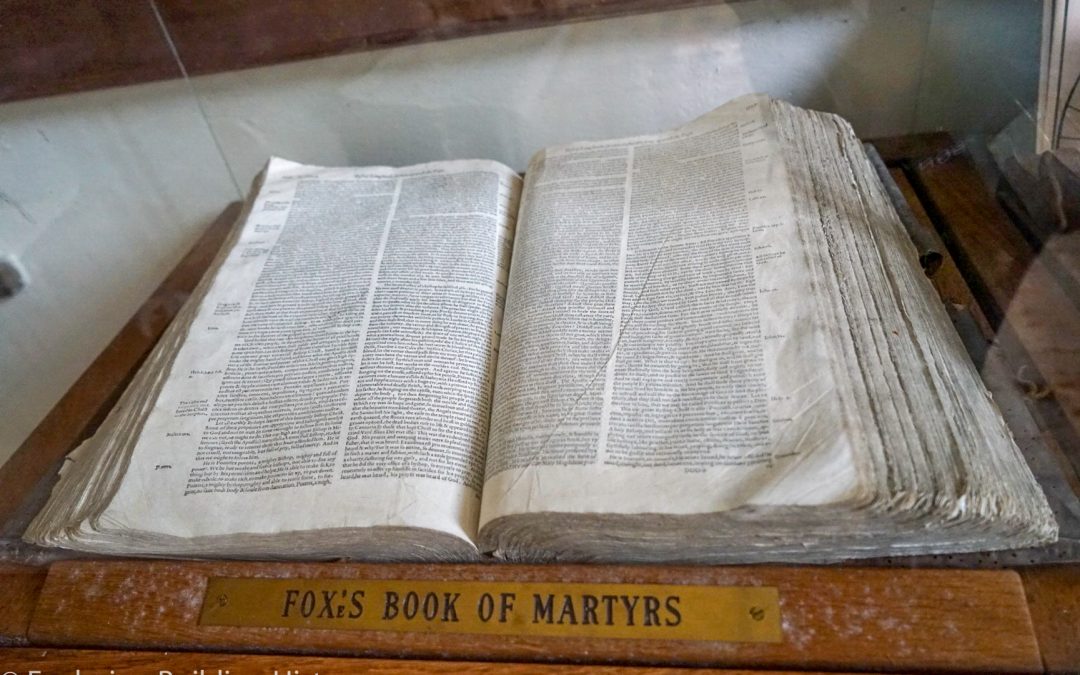
According to popular myth it was on the 31st of October 1517 that Martin Luther nailed his Ninety-five Theses disputing the Roman Catholic Church’s practice on indulgences to the door of Wittenberg Cathedral. Whether this act was true or not does not dispute the fact...
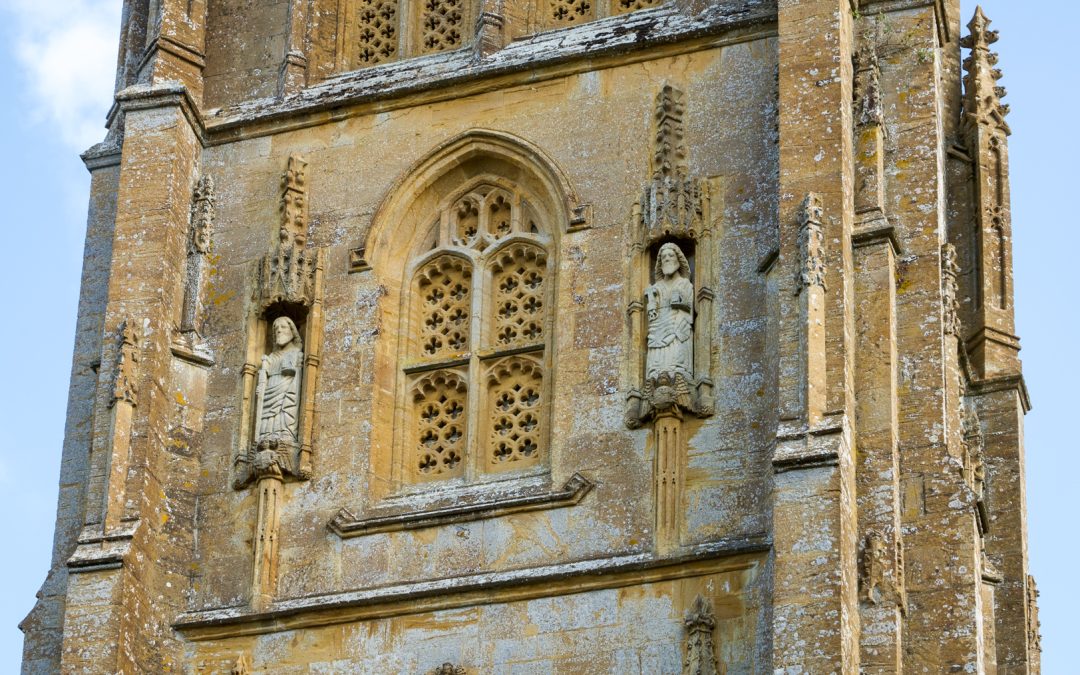
On the Somerset Levels is the medieval parish church of Isle Abbots. The village gets its name from its position on the river Isle and its former connection with Muchelney Abbey.[i] The tower contains niches within which are a rare collection of medieval statuary....