The term ‘Caernarfon lintel or arch’ comes from the use at Edward I’s Caernarfon Castle of the frequent use of passage doorways with shouldered lintels sitting on convex corbels. Edward’s castle at Caernarfon was started in 1283. These doorways also at exist at Wells...
Whilst the roots of the Benedictines grew from the Italian countryside, they established some of their monasteries as key centres in England. The Benedictines played an integral role in society, culture, learning and the economy of England from the 7th C through until...
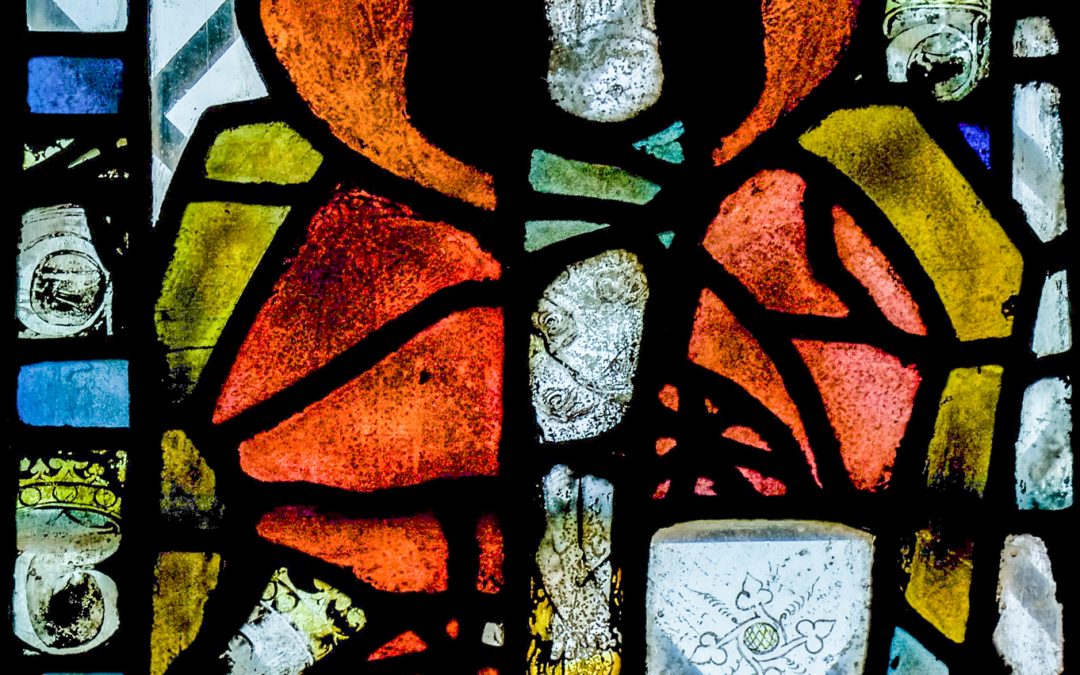
Dating stained glass is not a simple task. The techniques, colours, designs, window tracery, ferramenta, content, symbolism, intended purpose, commission and position need to be examined. This post is to give an introduction to some of the considerations. Between the...
There is something evocative about the idea of a medieval inn. Perhaps it stems from Chaucer’s Canterbury tales conjuring up images of The Tabard inn in Southwark, London – with ‘mine host’, tasty pies and pilgrims telling stories whilst sat beside a warm fire,...
The changing architecture of the English country house demonstrates the evolution of arrangement in how people used and circulated within them. Fashion and educated taste combined with developments in technology provides a fascinating history of country house design....
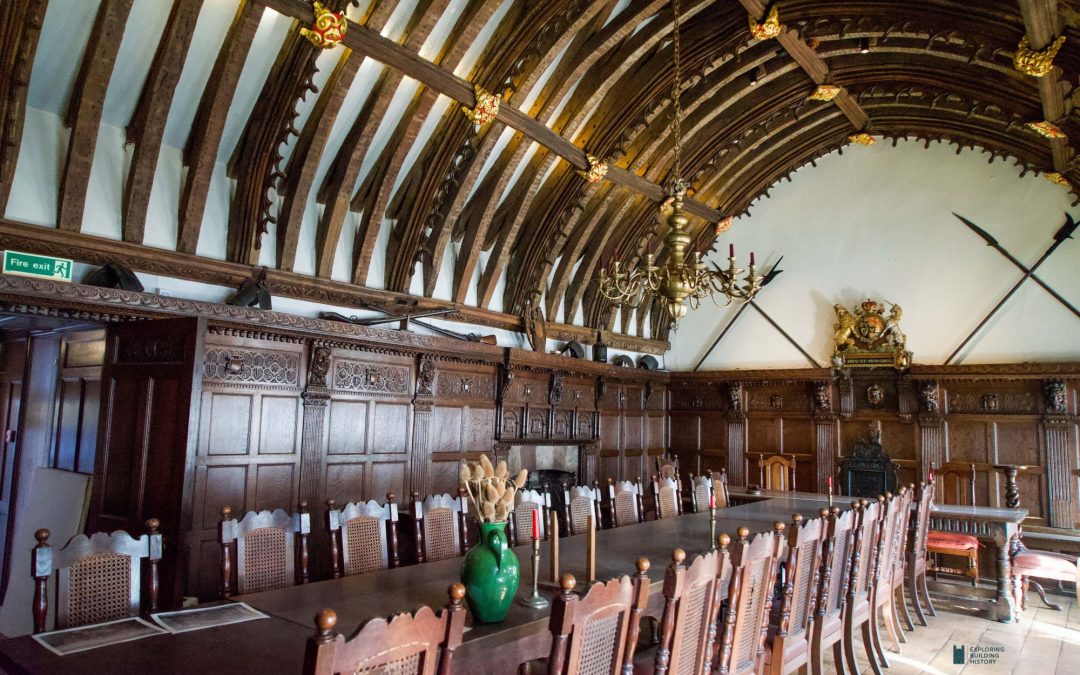
Tuckers Hall, Exeter – The Guild and Incorporation of Weavers, Fullers & Shearmen THE TEASEL IN CLOTH PRODUCTION Earlier this year I visited the 15th-century Tuckers Hall in Exeter (before Lockdown). It has been occupied by the Guilds and Incorporation of...