
Exploring building history

THE SHELL-HEADED NICHE PART 2: Late-Tudor & Early-Stuart Architecture in Southwest England
The subject for the dissertation for my master’s degree was on Late-Tudor & Early-Stuart Gatehouses in Central Southwest England. The study of them introduced me to the ‘shell-headed alcove’ or ‘niche’. Several of them have the feature built into them. They are at…

The Shell-Headed Niche Part 1: Rome, Renaissance, & Baroque
When I was researching Tudor and early-Stuart gatehouses in the central southwest of England, one of the common features that occurred was the shell-headed niche. The niche whether empty or filled by a statue becomes a significant architectural device in England from…
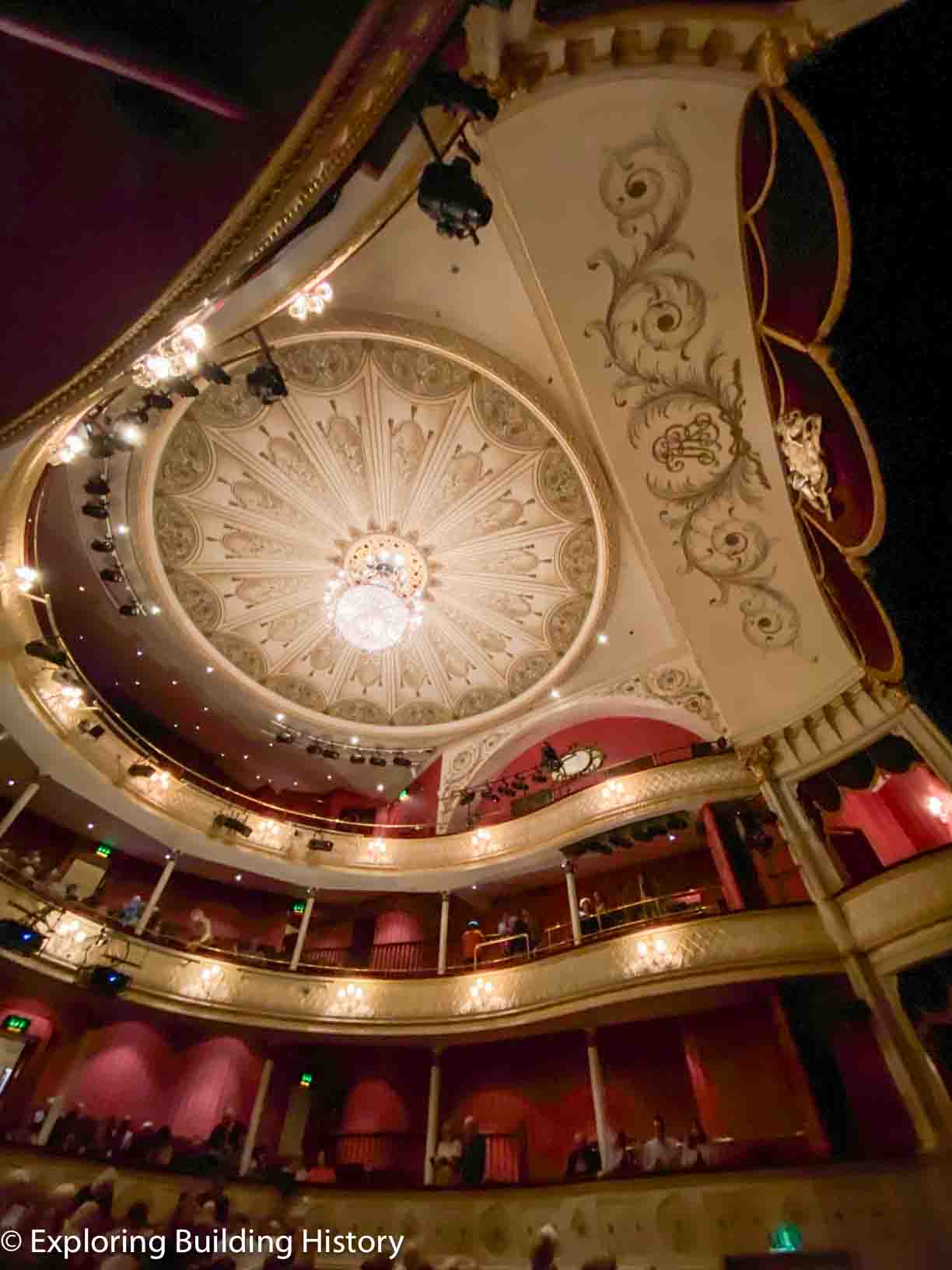
DIARIES OF EDWARD PHELIPS V: Going to the Theatre January to April 1779
Main Picture: Theatre Royal, Bath In Edward Phelips’s diary of 1779 are embedded the plays that he, his family, and acquaintances attended. The theatres they frequented were Covent Garden and Drury Lane. The commercial theatre took off in the 18th C as an enterprise…
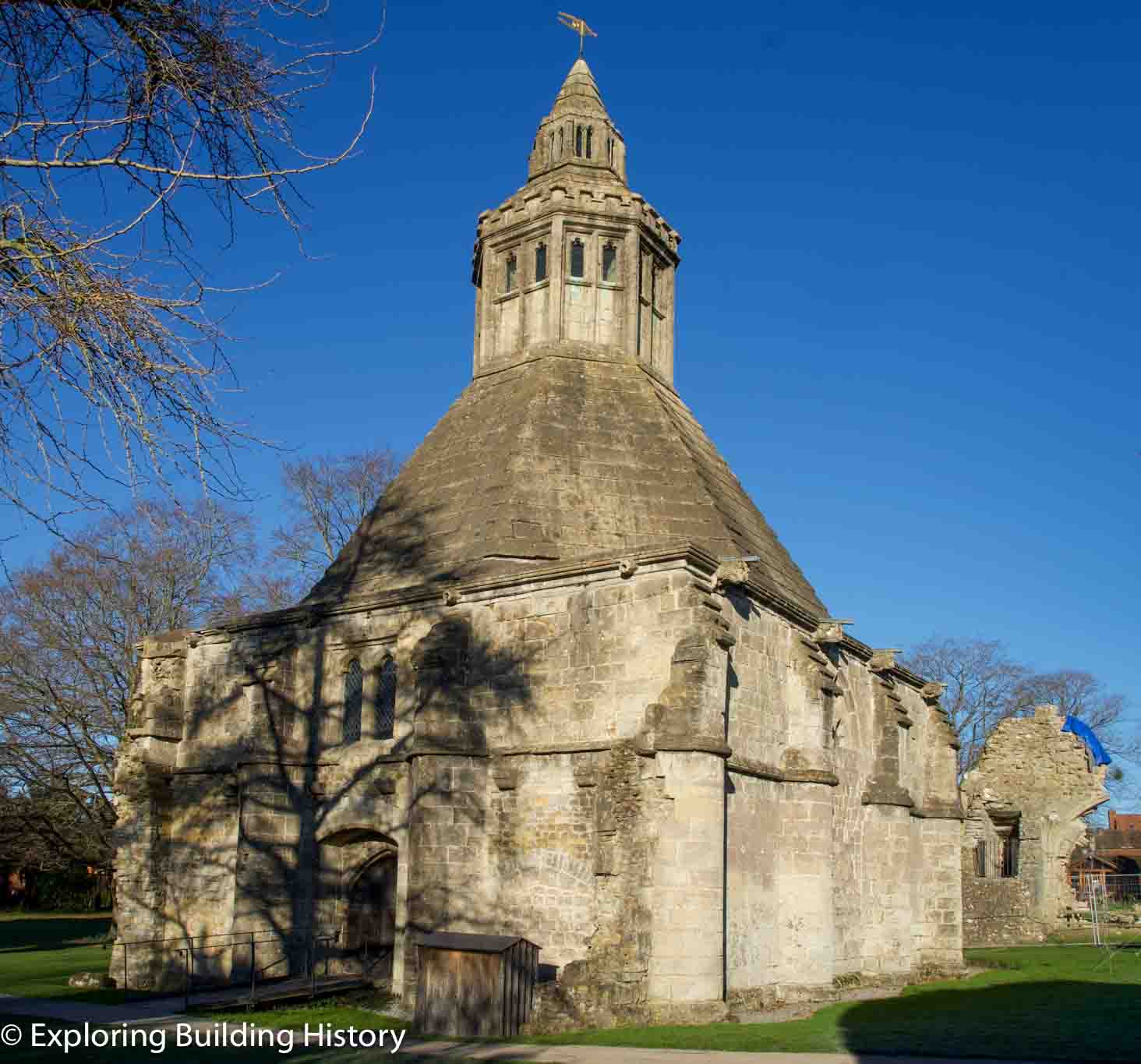
A WONDER OF THE 14th C: The Abbot’s Kitchen, Glastonbury Abbey
With the recent clear, cold weather of January, I visited Glastonbury Abbey to take photographs. I have been fascinated by the Abbot’s kitchen and wanted to reflect on its form and function. The building reminds me a Tudor or Early-Stuart conceit. A playful…
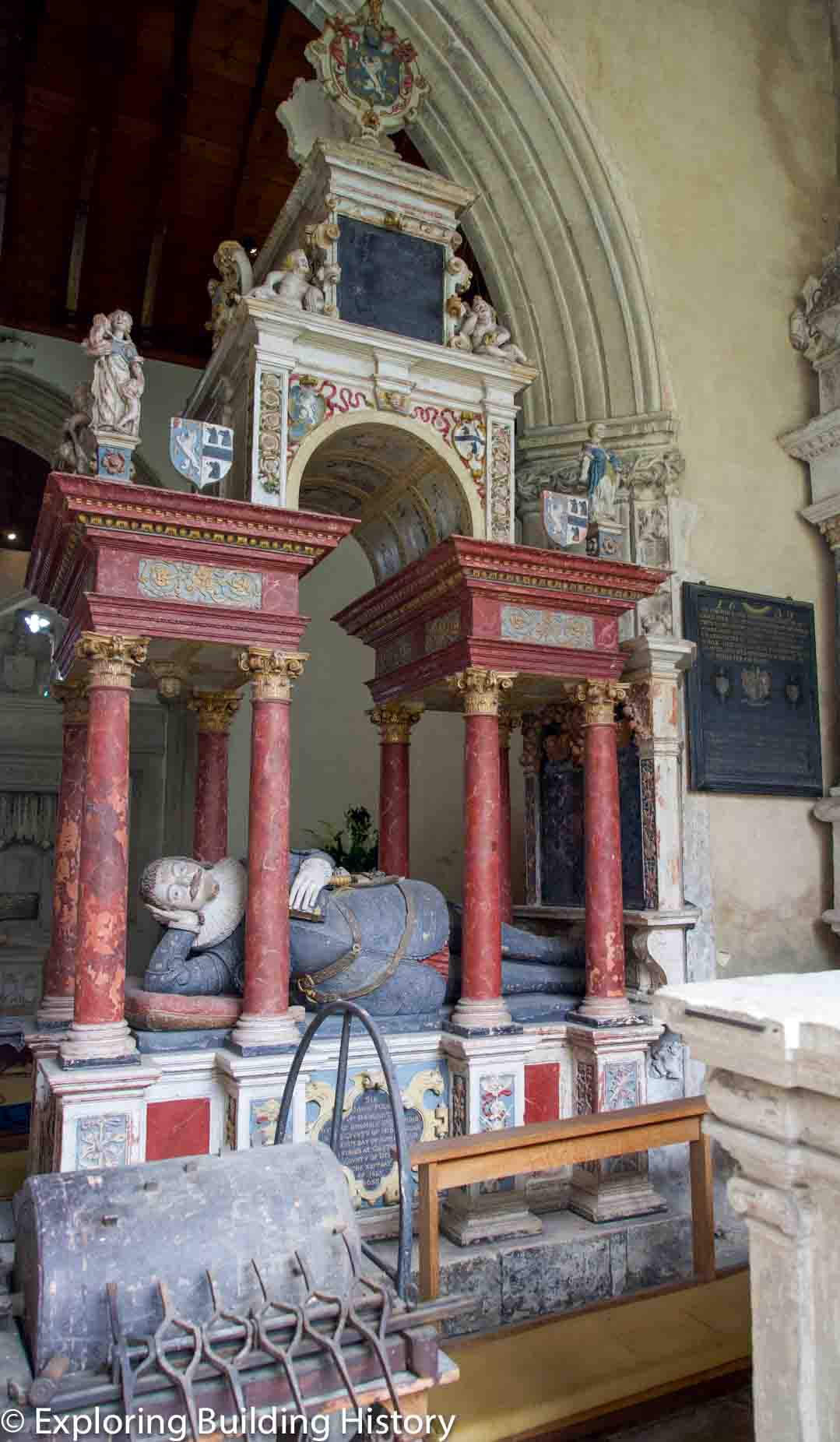
CHURCH OF ST. ANDREW, COLYTON, DEVON: Early-17th C Tomb Monument of Sir John Pole and his wife Elizabeth: Elaboration, Memento Mori & a Shakespeare Connection
From the 16th century the expression of neo-classicism is beloved by gentry. They wish to demonstrate their education and taste in elaborate ways. Tomb monuments are a fixed mechanism of doing this. Neo-classical taste is a trying to hark back to beyond the Gothic,…
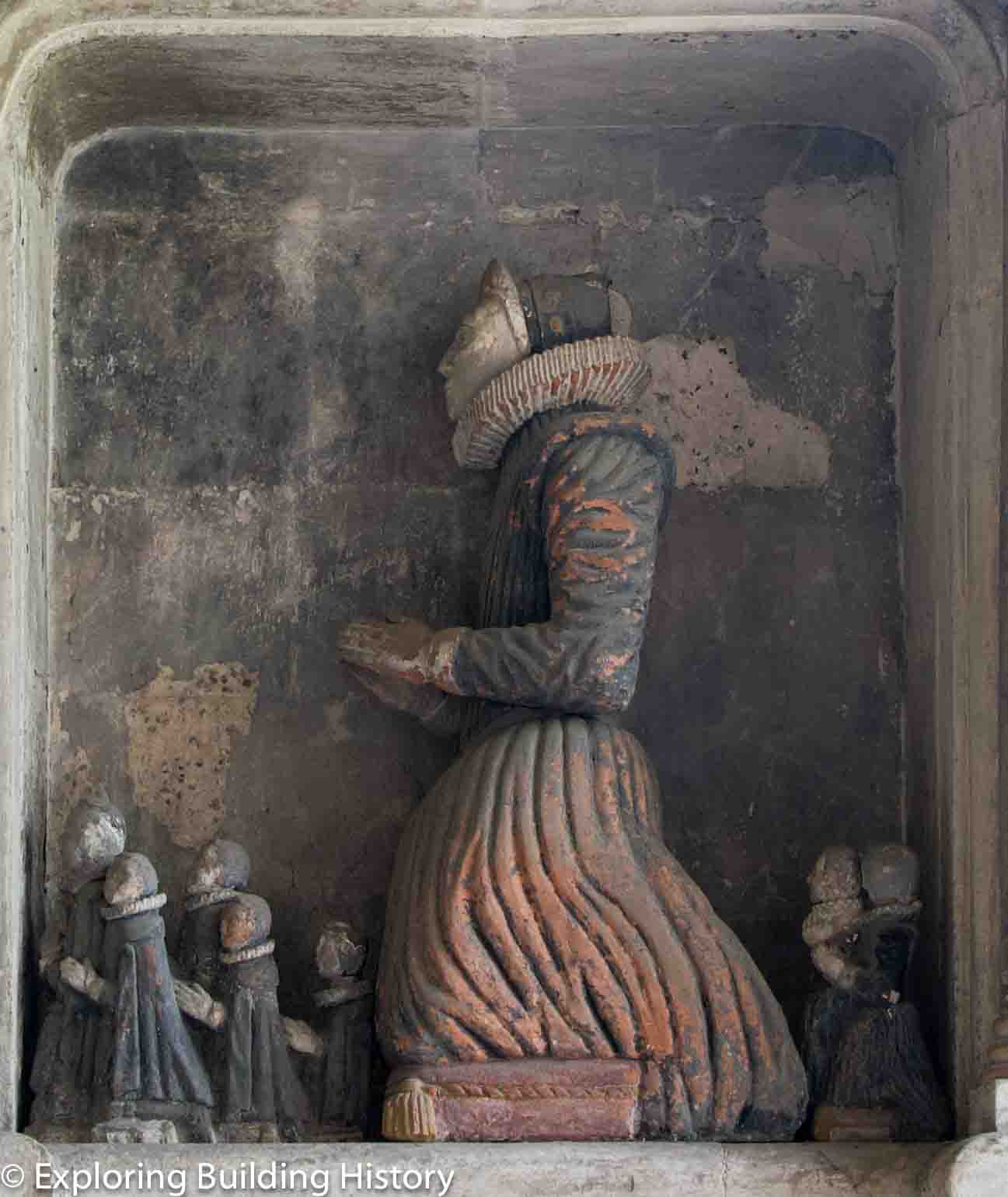
CHURCH OF ST. ANDREW, COLYTON, DEVON: Late-16th C Tomb Monuments of William & Katherine Pole: Ancestry, Classical Taste & Morality
The Pole Monuments at Colyton Church, Devon Part 1: 16th C William & Katherine Pole I have a particular interest tomb monuments as they represent micro architecture, sculpture, ornament, and social history. In the church of St. Andrew at Colyton there are some…
Exploring Building History
Exploring Building History is a non-commercial site. It is my own personal musings on architectural history. There is wealth of built heritage in England, and as I explore and think about what I see, I post my reflections on this site.