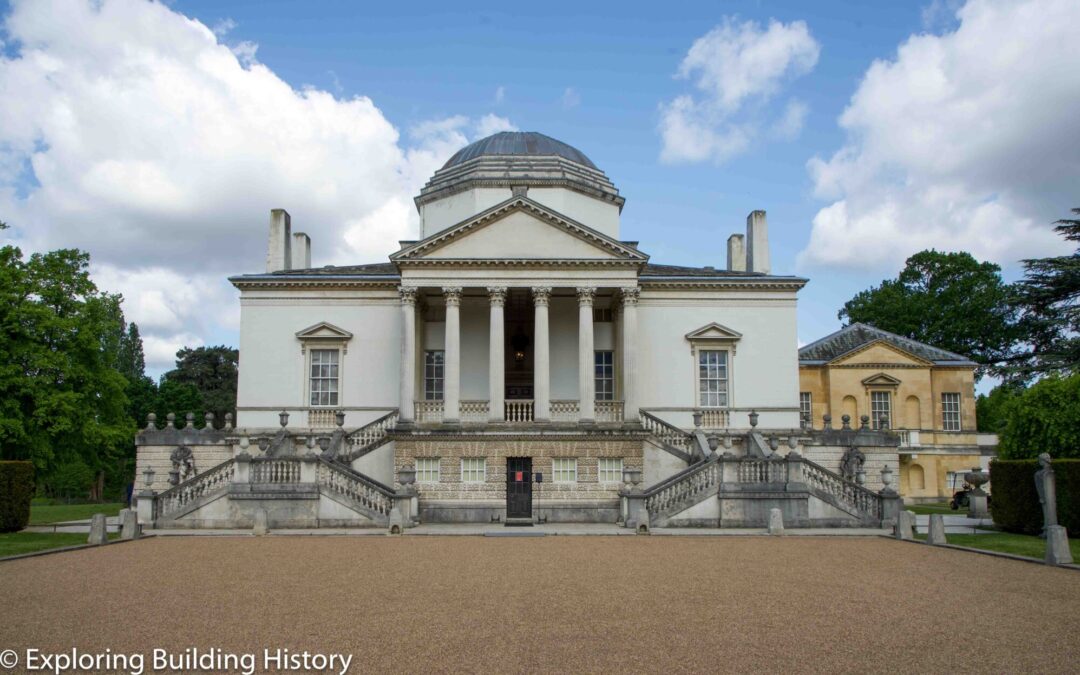
Few buildings in England can claim to have fundamentally altered the course of the nation’s architectural history. Chiswick House, the compact neo-Palladian villa in west London designed and built by Richard Boyle, 3rd Earl of Burlington, between 1726 and 1729, is one...
The 18th-century Grand Tour must have been exciting time for young patricians seeking to discover the ancient world first hand in Rome. If they could put aside the temptations of pleasurable diversions, then serious learning and procuring a collection were attainable....
Last week I caught an early train to London to visit a few places. I travelled into Paddington and then walked to the Wallace Collection in Hertford House, Manchester Square, W1. I ambled as the gallery does not open until ten. I reflected on the relative safety of...
It is useful, I find, when examining civic architecture and the architecture of the English country house to remember the classical arch, of which there are key examples in Rome. The triumphal arch and the triumphal column were testament to the dominance of...
When studying the columns of Trajan (113 AD) and Marcus Aurelius (c. 190 AD), I cannot help thinking of them as the inspiration for the Bayeux Tapestry. Although, there is no record to my knowledge of Bishop Odo visiting Rome. The spiralling upwards bas relief reads...
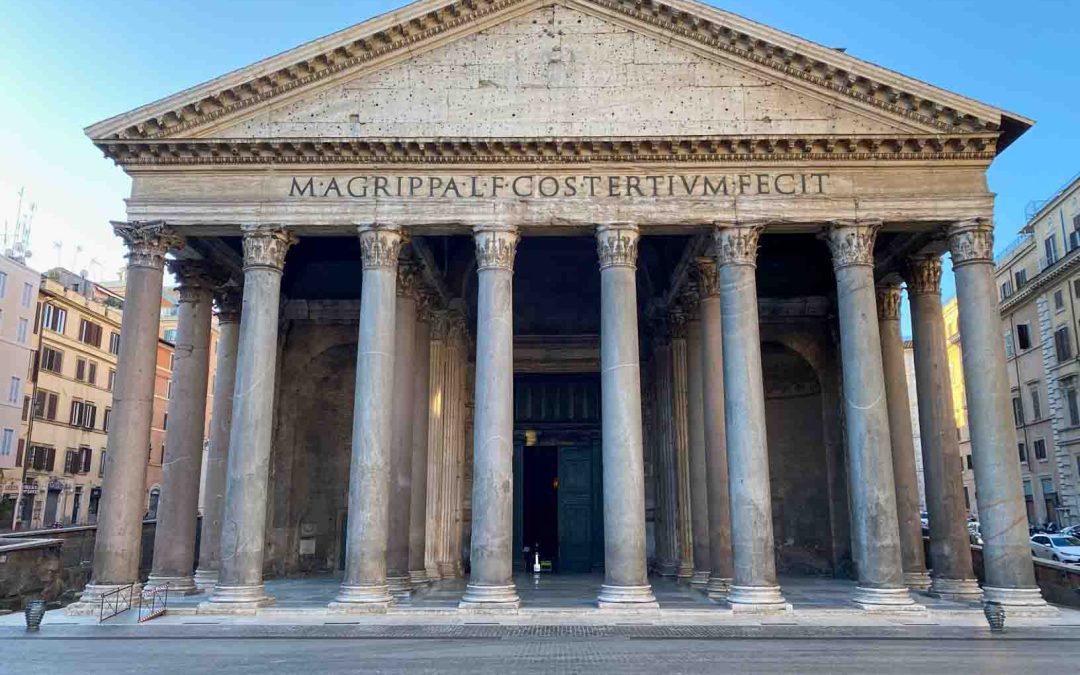
What would the Grand Tourist be looking at in terms of the Classical World? The arrival in Rome would be an exciting encounter for the Grand Tourist. They would be surrounded by the ruins of a classical world they had only read about. Firstly, there was the Roman...