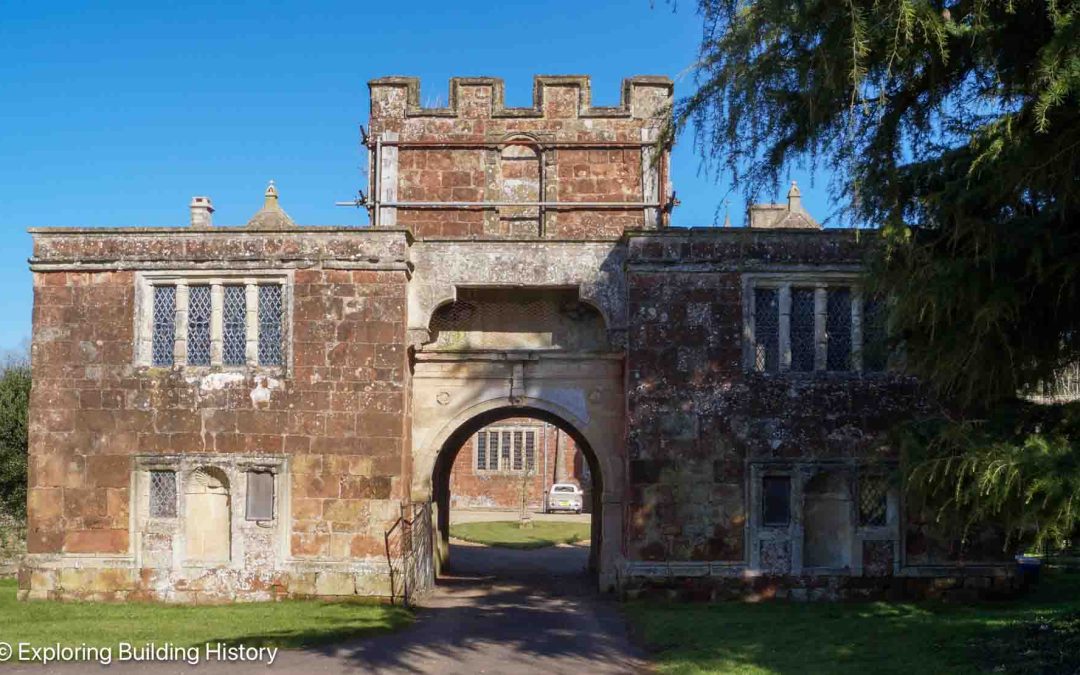
There is a particular kind of building that survives not because anyone meant it to, but because it happened to be standing in the wrong place when everything around it fell down. Cothelstone Gatehouse, tucked at the foot of the Quantock Hills near Taunton, is one of...
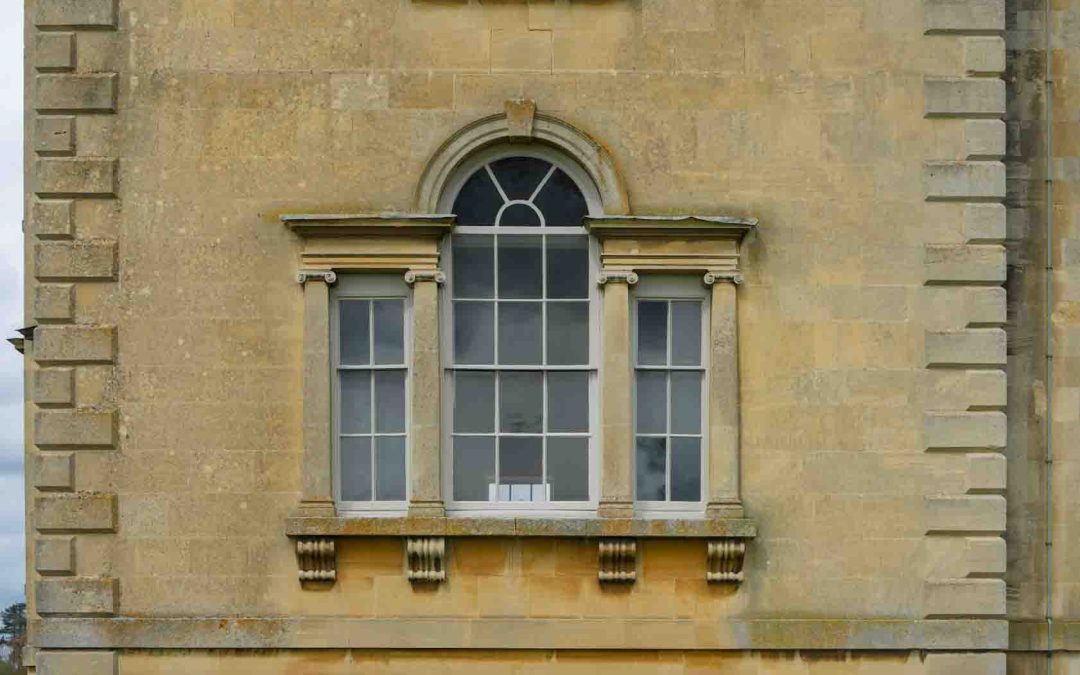
Featured Image: Serliana or Venetian Window at Croome, Worcestershire Few architectural forms have proved so durable, so geographically wide-ranging, or so consistently associated with intellectual aspiration and refined taste as the Venetian window. Composed of a...
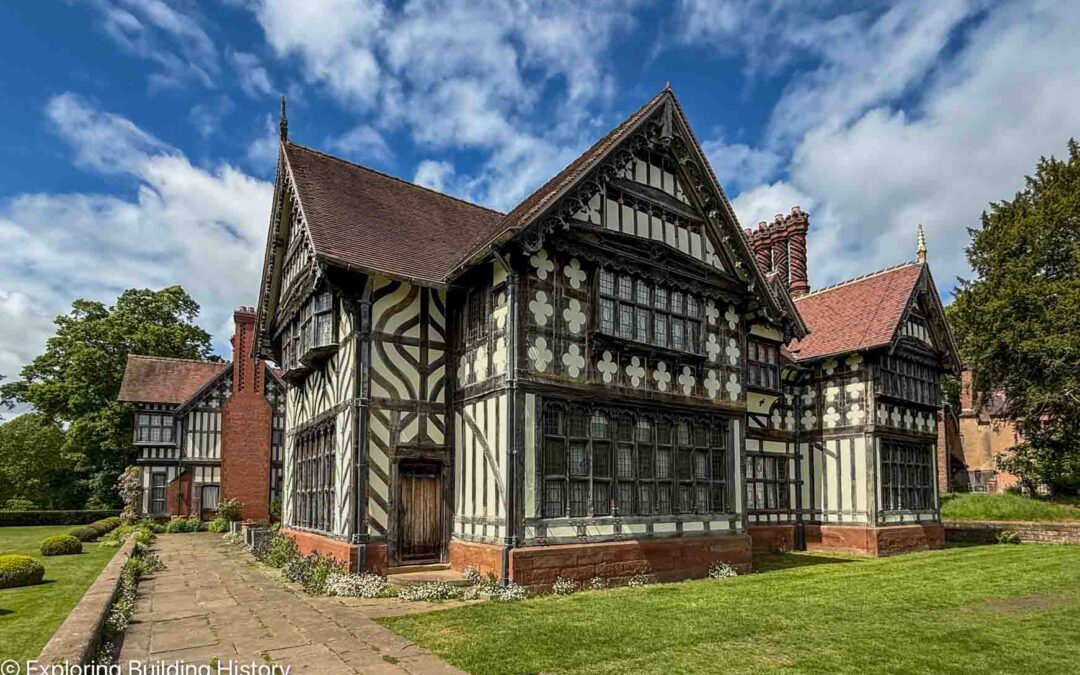
Introduction There are houses that preserve a moment, and then there are houses that embody one. Wightwick Manor, the Victorian house near Wolverhampton now in the care of the National Trust, belongs firmly to the second category. Built in two phases between 1887 and...
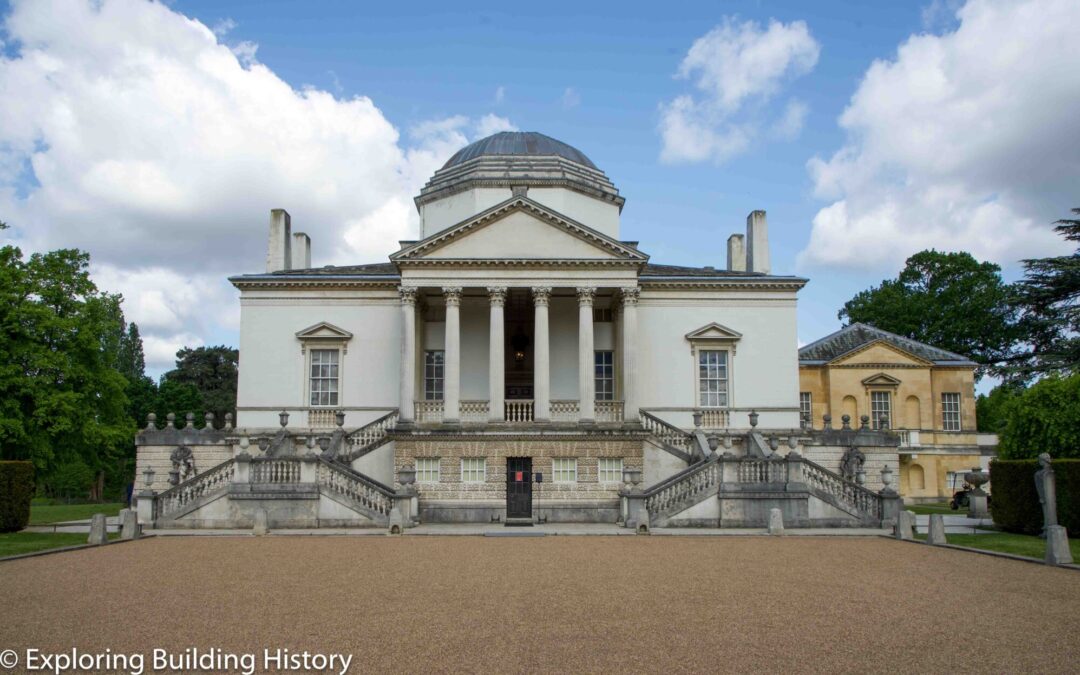
Few buildings in England can claim to have fundamentally altered the course of the nation’s architectural history. Chiswick House, the compact neo-Palladian villa in west London designed and built by Richard Boyle, 3rd Earl of Burlington, between 1726 and 1729, is one...
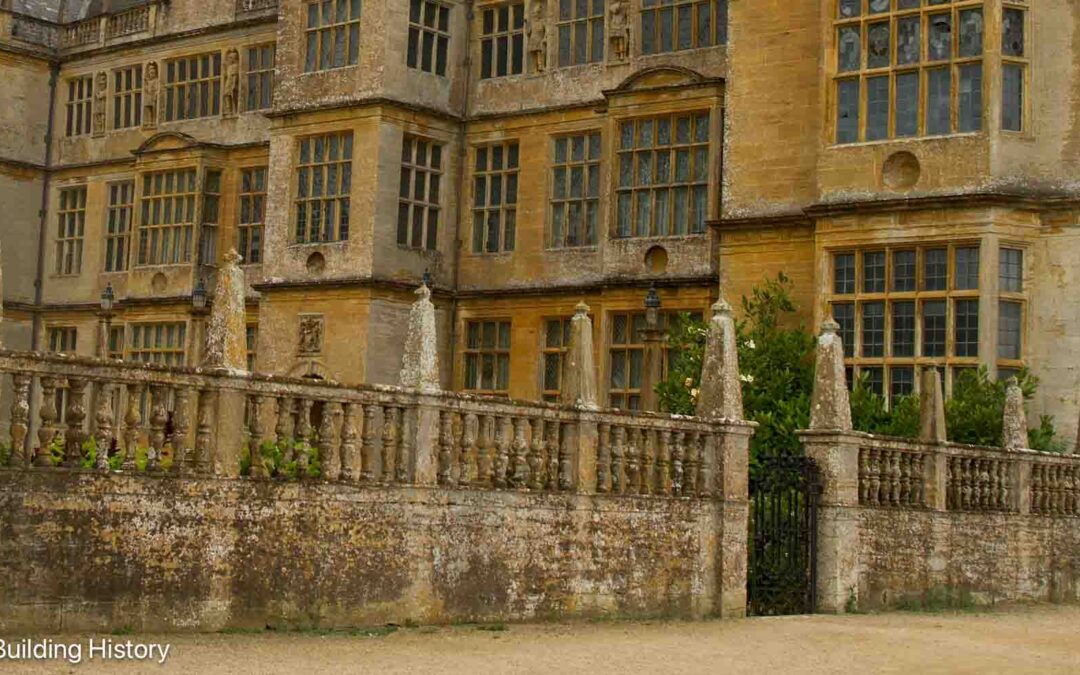
Surrounding the east court of Montacute House is a balustrade, an elegant feature idea that made its way from Renaissance Italy. Often used for loggias and balconies, it has been applied at Montacute as a running feature on top of a wall. The balustrade is punctuated...
I have a bit of a thing about balusters and balustrades. The ones we are familiar with today came about in the Renaissance and were eagerly adopted by the builders of country houses and other monumental buildings in England. They are part of the ‘neo-classical...